
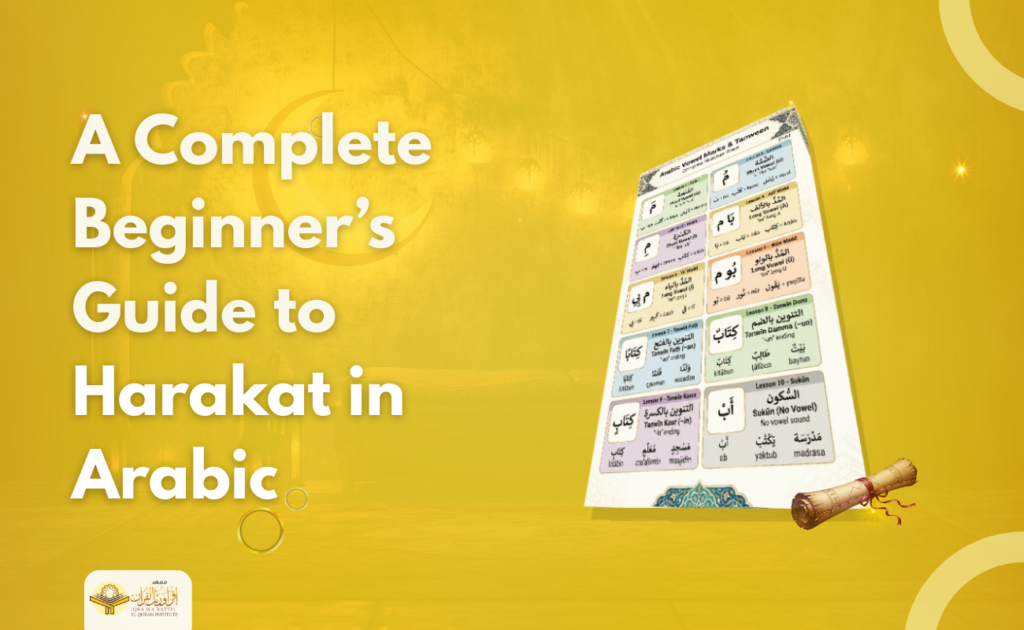
Introduction: Understanding Arabic Harkat Made Simple
If you’re learning to read the Quran or studying Arabic, you’ve probably noticed small marks above and below Arabic letters. These tiny symbols are called harakat (also spelled harakāt), and they’re essential for reading Arabic correctly.
This arabic harkat summary will help you understand what harakat are, why they matter, and how to use them when reading the Quran or Arabic text. Don’t worry if you’re a complete beginner—we’ll explain everything in simple English with clear examples.
By the end of this guide, you’ll feel more confident reading Arabic and reciting the Quran with proper pronunciation.
Table of Contents
What Are Harakat in Arabic?
Harakat (حَرَكَات) are small marks or symbols placed above or below Arabic letters. The word “harakat” means “movements” in Arabic, and these marks show you how to pronounce each letter.
Think of harakat as pronunciation guides. Just like English has vowels (a, e, i, o, u), Arabic uses harakat to create vowel sounds.
Why Are Harakat Important?
Without harakat, Arabic words can be confusing. The same letters can mean completely different things depending on which harakat you use.
For example:
- كَتَبَ (kataba) = “he wrote”
- كُتُبٌ (kutubun) = “books”
- كَتِبَ (katiba) = “was written”
See how the meaning changes completely? That’s why learning harakat in Arabic is so important for Quran students!
The Main Types of Arabic Harakat
There are three primary harakat that every beginner should learn first:
1. Fathah ( َ ) — The “A” Sound
The fathah looks like a small diagonal line above the letter. It makes an “a” sound (like “cat”).
Example:
- بَ = ba
- تَ = ta
- سَ = sa
2. Kasrah ( ِ ) — The “I” Sound
The kasrah looks like a small diagonal line below the letter. It makes an “i” sound (like “sit”).
Example:
- بِ = bi
- تِ = ti
- سِ = si
3. Dammah ( ُ ) — The “U” Sound
The dammah looks like a small “hook” or comma above the letter. It makes an “u” sound (like “book”).
Example:
- بُ = bu
- تُ = tu
- سُ = su
Additional Important Harakat Symbols
Beyond the three main harakat, there are other important marks you’ll see in the Quran:
4. Sukoon ( ْ ) — No Vowel Sound
The sukoon looks like a small circle above the letter. It means the letter has no vowel sound after it.
Example:
- بْ = b (no vowel)
- تْ = t (no vowel)
5. Tanween (Double Vowels)
Tanween are double versions of the main harakat. They add an “n” sound at the end:
- Fathatayn ( ً ) = an sound (like “ban”)
- Kasratayn ( ٍ ) = in sound (like “bin”)
- Dammatayn ( ٌ ) = un sound (like “bun”)
6. Shaddah ( ّ ) — Doubling the Letter
The shaddah looks like a small “w” above the letter. It means you pronounce the letter twice.
Example:
- مُحَمَّدٌ = Muhammad (the م is pronounced twice)
7. Maddah ( ٓ or ـٓ ) — Long Vowel
The maddah extends the vowel sound, usually appearing with alif (ا).
Arabic Harkat Summary: Quick Reference Chart
Here’s a simple table to help you remember:
| Harakat | Symbol | Sound | Example |
|---|---|---|---|
| Fathah | َ | a (cat) | بَ = ba |
| Kasrah | ِ | i (sit) | بِ = bi |
| Dammah | ُ | u (book) | بُ = bu |
| Sukoon | ْ | silent | بْ = b |
| Tanween | ً ٍ ٌ | an, in, un | بًا = ban |
| Shaddah | ّ | double letter | بَّ = bba |

Common Mistakes Beginners Make with Harakat
Mistake 1: Ignoring the Harakat
Some beginners try to memorize Arabic words without learning harakat. This makes it very difficult to read new words correctly.
Mistake 2: Confusing Fathah and Kasrah
These two marks look similar but make different sounds. Pay close attention to whether the line is above or below the letter.
Mistake 3: Rushing Through Shaddah
When you see a shaddah, remember to pronounce the letter twice clearly. Don’t rush past it!
Practical Tips for Learning Harakat in Arabic
Practice with the Quran — Start with short surahs like Al-Fatiha. The harakat are clearly marked in most Quran copies.
Use Audio Recitations — Listen to Quran reciters and follow along with the Arabic text. This helps you connect sounds with harakat.
Write by Hand — Practice writing Arabic letters with different harakat. This helps your brain remember them better.
Learn One Harakat at a Time — Don’t overwhelm yourself. Master fathah first, then kasrah, then dammah.
Be Patient — Learning harakat takes time. Even if it feels slow at first, keep practicing daily.
Frequently Asked Questions (FAQ)
Q1: Do all Arabic texts have harakat?
No. Advanced Arabic books and newspapers usually don’t include harakat. But the Quran, children’s books, and beginner materials always have them.
Q2: How long does it take to learn harakat?
Most beginners can learn the basic harakat in 1-2 weeks with daily practice. Mastering them in Quranic reading may take 2-3 months.
Q3: Are harakat the same as Arabic letters?
No. Arabic has 28 letters. Harakat are pronunciation marks added to those letters to show vowel sounds.
Q4: Can I read the Quran without knowing harakat?
Not accurately. Harakat are essential for correct Quranic pronunciation (tajweed). Without them, you might change the meaning of verses.
Q5: What’s the difference between harakat and tajweed?
Harakat are the basic vowel marks. Tajweed is the complete science of Quranic recitation, which includes harakat plus other pronunciation rules.
Conclusion: Your Journey with Arabic Harakat Starts Now
Learning harakat in Arabic is one of the most important steps in your Quranic journey. These small marks might seem confusing at first, but with consistent practice, they’ll become second nature.
Remember this arabic harkat summary: start with the three main harakat (fathah, kasrah, dammah), practice regularly with the Quran, and be patient with yourself. Every expert was once a beginner!
May Allah make your Quran learning journey easy and rewarding. The effort you put into learning harakat today will help you connect more deeply with Allah’s words tomorrow.
Ready to Learn More?
If you found this guide helpful and want to continue learning Quran and Arabic with expert guidance, consider joining an online Quran class designed specifically for non-Arabic speakers. With qualified teachers and structured lessons, you’ll master harakat and move forward in your Quranic studies with confidence.
Barakallahu feekum (May Allah bless you)!
Read More: